Audio voice quality depends on your device and browser.
Related place
Notting Hill
Transcript
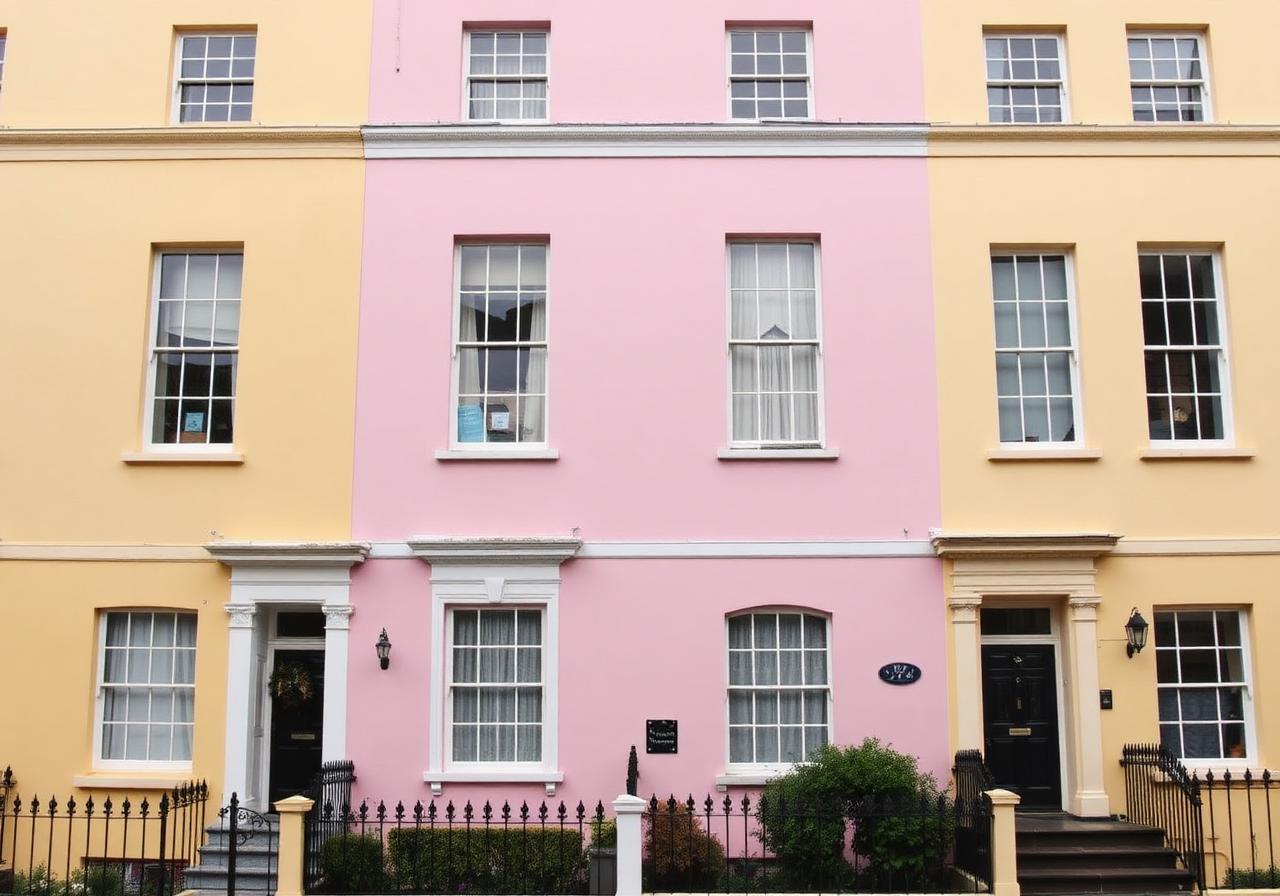
Welcome to Notting Hill, one of the most photographed neighbourhoods in London. The pastel-coloured houses you see along streets like Lancaster Road and Westbourne Park Road were originally built in the mid-nineteenth century as middle-class homes, but by the 1950s the area had fallen into hardship. It was the Caribbean community that arrived in those decades who reshaped Notting Hill: today the area's biggest event, the Notting Hill Carnival, takes place every August Bank Holiday and is the largest street festival in Europe, drawing more than a million people. Walk south down Portobello Road, the famous market street that runs for nearly two miles. On Saturdays it transforms into one of the world's great antique markets — silverware, jewellery, vintage clothing, prints, and curiosities of every kind. A fun fact: the iconic blue door from the 1999 film that shares the neighbourhood's name stands on Westbourne Park Road, though it is now privately owned. A practical tip: come early on a Saturday for the antique stalls, then drift toward the food and clothing sections later in the day. As you wander, notice how each terrace has its own colour palette, sometimes coordinated, sometimes joyfully clashing. Notting Hill rewards slow exploration, a coffee in hand, and time to look up.